
Should I Start PFPT During Pregnancy?
Postpartum is a natural time for women to seek out pelvic floor physical therapy (PFPT), but we are often asked by our patients if there are benefits to starting PFPT during pregnancy. The answer is YES-- PFPT during pregnancy is safe under the guidance of a certified pelvic floor physical therapist, and it can be extremely useful for reducing pregnancy-related symptoms and discomfort while preparing your body for labor, birth and beyond. Here at Movement Physio & Wellness, we are honored to support our expectant patients through this exciting time of change and transformation in their lives! Check out all of the ways PFPT can help you if you are currently expecting or are thinking about growing your family.

A Strong Foundation
Postpartum is a natural time for women to seek out pelvic floor physical therapy (PFPT), but we are often asked by our patients if there are benefits to starting PFPT during pregnancy. The answer is YES-- PFPT during pregnancy is safe under the guidance of a certified pelvic floor physical therapist, and it can be extremely useful for reducing pregnancy-related symptoms and discomfort while preparing your body for labor, birth and beyond. Here at Movement Physio & Wellness, we are honored to support our expectant patients through this exciting time of change and transformation in their lives! Check out all of the ways PFPT can help you if you are currently expecting or are thinking about growing your family.
Pelvic Floor Muscle Training
Your pelvic floor physical therapist can help you build a strong foundation for your pregnancy by teaching you how to properly contract and relax your pelvic floor muscles. Training these muscles provides extra support for your growing baby and pelvic organs, while reducing urinary leakage and preparing your body for birth. Additionally, muscles that are fit and healthy before birth will heal more quickly and efficiently after birth.
Core & Hip Strengthening
As your center of gravity naturally shifts in pregnancy to accommodate your growing baby, this increased pressure can lead to tightness in your low back muscles and a weakened core. Therefore, stabilization of this area, as well as hip, glute, and low back strengthening are all incredibly important to help support your changing body structure. A pelvic floor physical therapist can provide you with safe exercises and stretches during pregnancy to activate these areas, which can reduce pain and improve mobility as your pregnancy progresses.
Preventing Injury
As your body changes during pregnancy, your pelvic floor physical therapist can utilize body mechanics to help you maintain correct posture and show you safe and gentle ways to move your body, from getting in and out of the car, to picking up objects off of the floor. Learning how to safely move prevents injury and helps protect your growing baby.
Learn Diaphragm Breathing
One of the cornerstones of PFPT is diaphragm breathing, which also happens to be a critical skill during labor and pushing. This style of deep breathing relaxes your pelvic floor and promotes stability in your low back and abdomen, which helps you manage pain and pressure during labor and helps you effectively push your baby down the birth canal.
Labor Preparation
Your pelvic floor physical therapist can help build your confidence and prepare you for a successful delivery by showing you different positions for labor and birth, breathing exercises, and introducing other tools such as birthing stools and exercise balls. Pelvic floor PTs are also qualified to provide perineal massage as well as show you techniques to help prepare these fragile tissues for birth.
Prevention & Support Team
Most of all, initiating PFPT during pregnancy can prevent many issues you may experience following birth, such as prolapse, urinary incontinence, and abdominal separation known as diastasis recti. In addition, having a team of providers such as pelvic floor PTs, doulas, massage therapists and others can provide you with a strong network of support during this exciting period of life. We would love to support you during your pregnancy journey. Please feel free to reach out to us today for more information or to schedule an evaluation!
What is Prolapse & How do I Treat It?
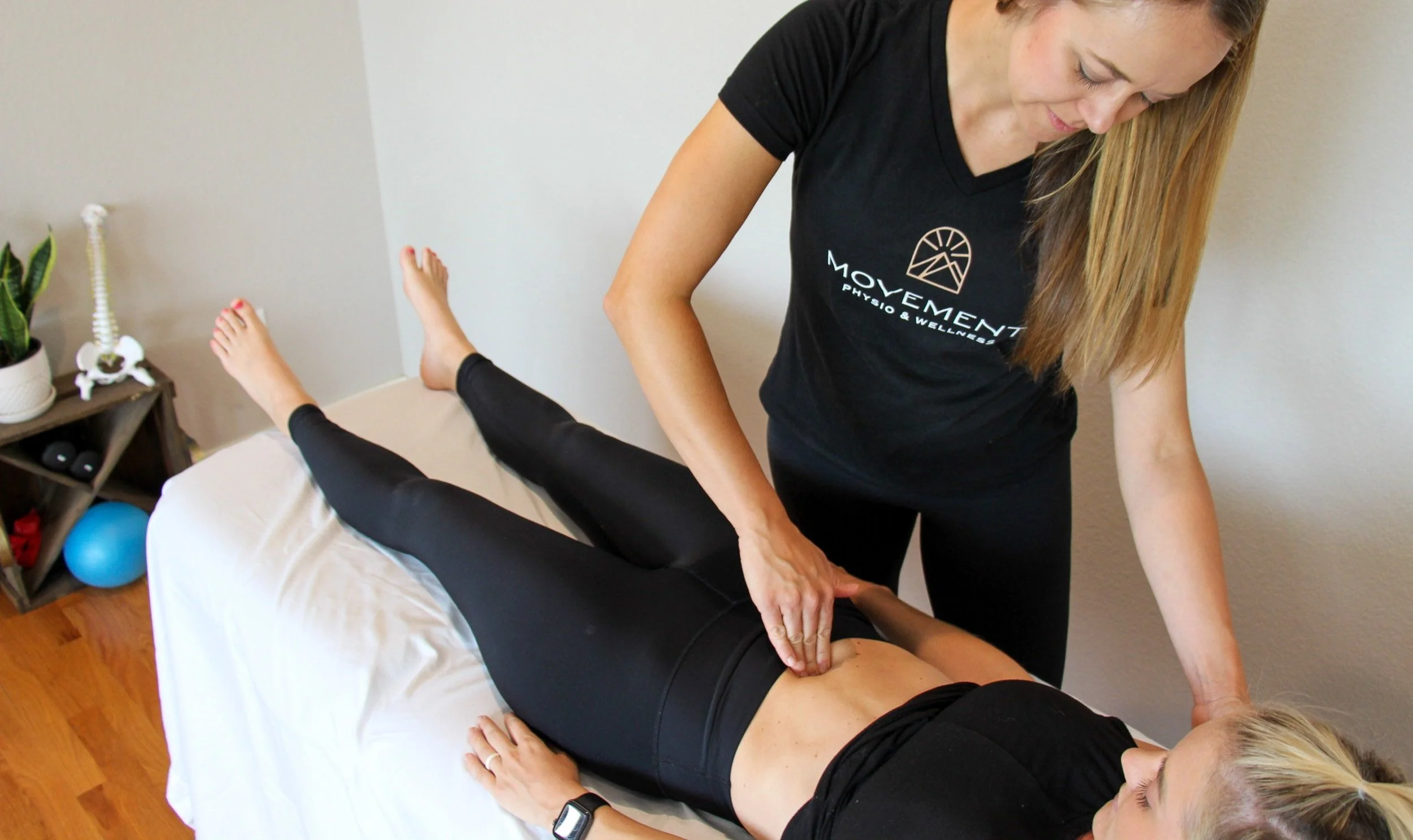
Pelvic Organ Prolapse (POP) is when one or more pelvic organs begin to drop from their normal position, causing sensations of bulging, heaviness or pressure in the lower abdomen or genitals. This can occur because the pelvic organs (bladder, uterus, and rectum) are supported by a complex “hammock” of muscles, ligaments, and fibers that attach to the pelvis known as the pelvic floor. When the pelvic floor loses tone or strength, it cannot properly support these organs and they can descend into the vaginal or rectal openings. POP is more common than you might think, with more than 50% of women experiencing some degree of it in their lifetime.
A Common Pelvic Floor Disorder
Pelvic Organ Prolapse (POP) is when one or more pelvic organs begin to drop from their normal position, causing sensations of bulging, heaviness or pressure in the lower abdomen or genitals. This can occur because the pelvic organs (bladder, uterus, and rectum) are supported by a complex “hammock” of muscles, ligaments, and fibers that attach to the pelvis known as the pelvic floor. When the pelvic floor loses tone or strength, it cannot properly support these organs and they can descend into the vaginal or rectal openings. POP is more common than you might think, with more than 50% of women experiencing some degree of it in their lifetime.
Although POP is more common in older women, it can affect women of all ages. Common risk factors include childbirth, genetics, frequent constipation, obesity, or prior hysterectomy.
Fortunately, there are many treatment options that can greatly improve the symptoms of POP, and in many cases, eliminate them. They include pelvic floor physical therapy, the use of pessaries (a medical device used to provide structural support), hormone treatment, and surgical intervention if necessary. If not treated, POP can negatively influence physical activity, self-image and ultimately quality of life, so it’s important to get help from a pelvic health specialist if you are experiencing symptoms!
Symptoms of Prolapse
Symptoms of prolapse can vary with severity, but can include the following:
Constant feeling of heaviness in lower abdomen and genitals.
An increase in pressure after being on your feet for a prolonged period or after heavy physical exercise.
Feeling or seeing a “ball” or protrusion from the vagina.
Discomfort or numbness during sex.
Difficulty emptying bladder or bowel or leaking while sneezing or coughing.
Pelvic Floor PT and Prolapse
If you think you might have POP, a full pelvic floor physical exam is needed to determine the location of the pelvic floor weakness and what organs are affected. Pelvic floor PT can help normalize pelvic floor muscle tone and motor control, improve strength and support of the pelvic floor muscles, and ultimately alleviate POP symptoms.
Preventing POP
Of course, the best treatment for POP is prevention!
Keep your bowels moving, avoiding straining and pushing on the toilet. Use a squatty potty and eat a diet rich in fruits and vegetables.
Maintain an optimal weight
During pregnancy, prepare your pelvic floor for birth with strengthening and stretching exercises.
During postpartum, avoid lifting objects heavier than your baby for the first month after delivery.
During menopause, an estrogen dip can contribute to prolapse, so take extra care of your pelvic floor.
I Had a C-Section, Do I Still Need PFPT?
The short answer is YES! Having a c-section does not necessarily mean that you are “saving” your pelvic floor. During a c-section your abdominal muscles were cut open, having a big impact on your core and your pelvic floor. There are 3 ways that your pelvic floor can still be affected after a c-section.

The short answer is YES! Having a c-section does not necessarily mean that you are “saving” your pelvic floor. During a c-section your abdominal muscles were cut open, having a big impact on your core and your pelvic floor. There are 3 ways that your pelvic floor can still be affected after a c-section.
Pelvic Floor Tension
During pregnancy your pelvic floor muscles are naturally working hard to accommodate your growing baby. At the end of pregnancy, those muscles are working extra hard and without the natural stretch of a vaginal birth, they can stay tight. The pelvic floor muscles also tense up when you are in pain. A c-section plus nine months of pregnancy can lead to an overly tight pelvic floor. The tightness can lead to urinary incontinence, painful sex, difficulty with starting to pee and urinary urgency.
Scar Tissue Restrictions
There are seven layers of tissue that are cut during a c-section. One of these layers is called Superficial Abdominal Fascia. This layer is directly connected to the tissue around your urethra and scar tissue restrictions can lead to urinary issues including incontinence and pain.
Second Stage C-Section
Typically uncommon and only found in about 2% of births, second stage c-section occurs after the cervix has dilated and pushing has begun. Pushing produces a high amount of stress on the pelvic floor and can lead to pelvic floor issues postpartum, even if the outcome is a c-section.
Steps to Reduce the Impact of a C-Section
Respect your healing time. You might feel better after 2-3 weeks but full healing time can be as long as 6-8 weeks.
Move! Movement is key to recovery and can help improve scar healing. Start with gentle, pain free movements and short walks. Slowly build up your walks over 6-8 weeks.
Breathwork. Breathing is a great way to wake up your core and lengthen your scar from the inside out. Diaphragm breathing helps you reconnect with your body and is the first step to deep core work and pelvic floor strengthening.
Scar massage. Massaging your scar can help relieve tension and pain.
Strengthen. Lifting anything heavier than baby is not recommended but progressive strengthening is important. Start with gentle pelvic floor, core and hip stability exercises that are low impact and low load.
Diastasis Recti - Do I Have It?
Diastasis Recti is a fairly common condition that affects pregnant and postpartum women. It occurs when the rectus abdominis muscles (commonly known as your six-pack muscles) separate during pregnancy from being stretched out for baby. When the tissue loses elasticity from being stretched too far out, the gap in the muscles doesn’t close as much as it should. This is Diastasis Recti. This condition can affect 60% of women postpartum but often resolves itself within 8 weeks. There are still 40% of women dealing with this six months postpartum.

Diastasis Recti is a fairly common condition that affects pregnant and postpartum women. It occurs when the rectus abdominis muscles (commonly known as your six-pack muscles) separate during pregnancy from being stretched out for baby. When the tissue loses elasticity from being stretched too far out, the gap in the muscles doesn’t close as much as it should. This is Diastasis Recti. This condition can affect 60% of women postpartum but often resolves itself within 8 weeks. There are still 40% of women dealing with this six months postpartum.
Signs and Symptoms
A visible bulge or pooch above or below the belly button.
Softness or jelly-like feeling around your belly button
Coning or doming when you contract your ab muscles
Difficulty lifting objects, walking or performing daily tasks
Pain during sex
Pelvic, hip or low back pain
Poor posture
Urine leaking when you sneeze or cough
Constipation
Feeling weak in your abdominals
Self-Check for Diastasis Recti:
Lie on your back with your knees bent and feet flat on the floor.
Lift your shoulders slightly off the ground, keeping one hand behind your head for support. Almost like you are doing a sit-up. Look down at your belly.
Move your other hand above your belly button area, palms down and fingers towards your toes.
Use your fingers to feel for a gap in between your abs. See how many fingers can fit in between the gap between your left and right abdominals.
If you feel a gap of two or three finger widths and softness in your belly then it’s time to come in and see us! If left untreated then Diastasis Recti can lead to an umbilical hernia, increase in back pain, pain during sex, urinary incontinence, and pelvic or hip pain.
The great news is that this condition can be fixed with physical therapy, regardless of how long it’s been since you had a baby. Call the office to schedule an evaluation, 720-500-7450.
Pelvic Floor & Mental Health
October 10th is World Mental Health Day and often we don’t talk about the correlation between the pelvic floor and mental health. Mental health can play a huge part in our pelvic floor. Stress and worry can often cause us to clench our muscles. Tightening our pelvic floor muscles is a common stress reaction. When your pelvic floor muscles are too tight, it can cause constipation, painful sex, urgency and pelvic pain.

October 10th is World Mental Health Day and often we don’t talk about the correlation between the pelvic floor and mental health. Mental health can play a huge part in our pelvic floor. Stress and worry can often cause us to clench our muscles. Tightening our pelvic floor muscles is a common stress reaction. When your pelvic floor muscles are too tight, it can cause constipation, painful sex, urgency and pelvic pain.
On the other hand, if you already have pelvic floor problems, then they can also impact your mental health. We typically think of these as just physical problems but not being able to control normal bodily functions can create stress and embarrassment. They are often unpredictable and can make daily life a bit more challenging. You might be anxious or depressed because your disorder disrupts your routine, your relationships and your ability to participate in activities.
Learning how to relax is not only good for your emotional health but for your pelvic health as well!
Top Tips for Relaxing Your Mind & Body:
Press Pause - If you are finding yourself in a stressful situation, take a break and come back to it when you are ready.
Exercise - Gentle exercise can help you relax, work away the stress, and help you take it easy on your pelvic floor.
Breathe In, Breathe Out - Take a few minutes to diaphragm breathe to help minimize stress.
Go Outside - Spending a few minutes outside can help both your physical and mental well being.
Listen to Music - Turning up the volume on your favorite music can turn down the noise from the outside world.
Step Away from Technology - Swap an hour of screen time for something that you enjoy like reading or playing with your furry friends.
Once you have found a way to target your stress levels, then you can begin to strengthen your weakened pelvic floor muscles. We can help with that! Call us to schedule an evaluation, 720-500-7450.
Postpartum Favorite Things
Preparing for postpartum life can be a little overwhelming. There's a list for everything a baby needs but not always a list for what moms need. We have put together a list of our favorite things for after birth.

Preparing for postpartum life can be a little overwhelming. There's a list for everything a baby needs but not always a list for what moms need. We have put together a list of our favorite things for after birth.
Stool Softener - The first post birth poop might be a little painful, but you can get through it! Take a stool softener and drink plenty of water to help ease the pain.
Squatty Potty - The Squatty Potty helps align and open your bowel in a natural way so that there is less chance for straining. Anyone can use the Squatty Potty, not just postpartum moms.
Witch Hazel Pads - After pushing and straining during birth, hemorrhoids are fairly common. Witch hazel pads help with shrinking the blood vessels and can also help soothe your perineal area if you have stitches.
Perineal Spray - This spray acts as a local anesthetic to relieve any pain or discomfort from stitches.
Peri Bottle - Use with warm water and squirt toward vagina while you pee to dilute the urine so there's less stinging. You can also use it after to rinse off the area to keep from getting an infection.
Sitz Bath - A basin that sits over the toilet that helps ease vaginal soreness and any perineum swelling. It can also help with hemorrhoids or if you are recovering from an episiotomy.
Most importantly, Pelvic Floor Physical Therapy- We recommend coming in 4-6 weeks after delivery to start working on your postpartum body.
Was there something that you found helpful after delivery that isn't listed here? Please let us know! With new products coming out all the time, it's great to be able to add useful items to our list of recommendations to new moms!
Let's make sure to get your postpartum visit scheduled. Call us at 720-500-7450 for an evaluation.
Do You Have a Sudden Urge to Pee?
Beautiful weather in Colorado is here! Warm weather is the best for getting outside to run, bike, hike, fish and other fun activities in our beautiful state. To keep you cool and hydrated, there is a greater need to drink fluids or eat high water content foods.

Beautiful weather in Colorado is here! Warm weather is the best for getting outside to run, bike, hike, fish and other fun activities in our beautiful state. To keep you cool and hydrated, there is a greater need to drink fluids or eat high water content foods.
If you are someone that experiences a sudden urge to pee, peeing more frequently, leaking or pain in your lower abdomen, then you might have noticed worsening symptoms recently. Below is a list of drinks and/or fruits that can cause your bladder to be irritated and make even minor symptoms unpleasant:
Alcoholic beverages
Apples and apple juice
Cantaloupe
Carbonated beverages
Coffee (including decaf)
Grapes
Peaches
Pineapple
Tea
Tomatoes and tomato juice
One of the most common triggers is acidic foods, like tomatoes or orange juice. Another common trigger is coffee because of the caffeine. Sometimes chocolate can be a trigger as well because of the caffeine. The most important thing to remember is that everyone's triggers are different and eliminating one or two of the items from the list above might make all the difference. Make a food diary and see if you can narrow down any!
If you are still experiencing any leakage or a sudden urge to pee, then it's time to make an appointment for an evaluation. We are here to help with those issues as well as any pelvic floor or orthopedic needs! Call us today to set up a phone consultation, 720-500-7450.