
How Pelvic Floor Health Connects to Cervical Health
The cervix is part of a complex system that includes the pelvic floor muscles, connective tissue, nervous system, and posture. When pelvic floor muscles are tense, weak, or not coordinating properly, it can contribute to:
Pelvic pain or pressure
Pain with intimacy or tampon use
Discomfort during gynecological exams
Changes after pregnancy, childbirth, or pelvic surgery
Pelvic floor physical therapy helps address these underlying muscle and tissue restrictions, improving comfort, function, and confidence in your body.
How Pelvic Floor Physical Therapy Can Help
Pelvic floor PT is a gentle, individualized approach that may include:
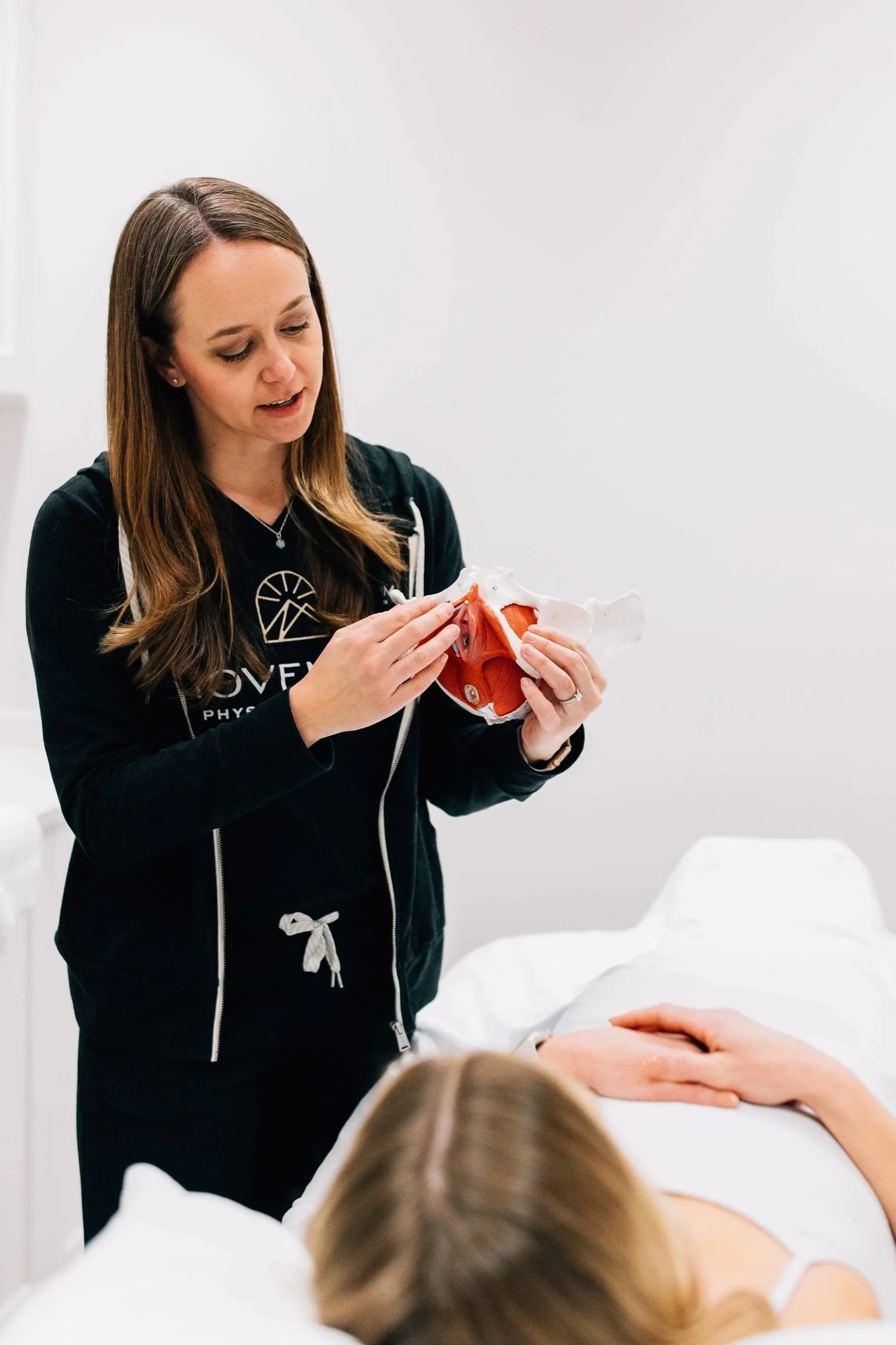
Education on pelvic anatomy and cervical health
Manual therapy to improve tissue mobility and reduce tension
Breathwork and relaxation techniques to support nervous system regulation
Targeted exercises to restore strength, coordination, and support
Whether you’re navigating pelvic pain, preparing for a gynecological procedure, recovering postpartum, or simply wanting to be proactive about your health, pelvic floor therapy can be a valuable part of your care team.
Taking Charge of Your Cervical Health
This month is a great reminder to:
Stay up to date on routine cervical screenings
Listen to your body and address pain or discomfort early
Advocate for care that feels supportive and empowering
Explore pelvic floor therapy as a preventative and restorative option
Your cervical health matters—and so does your comfort, confidence, and quality of life.
If you have questions about how pelvic floor physical therapy can support your pelvic or cervical health, our team is here to help.