
National Cancer Awareness Month: How Pelvic Floor Physical Therapy Can Support Healing During and After Cancer Treatment
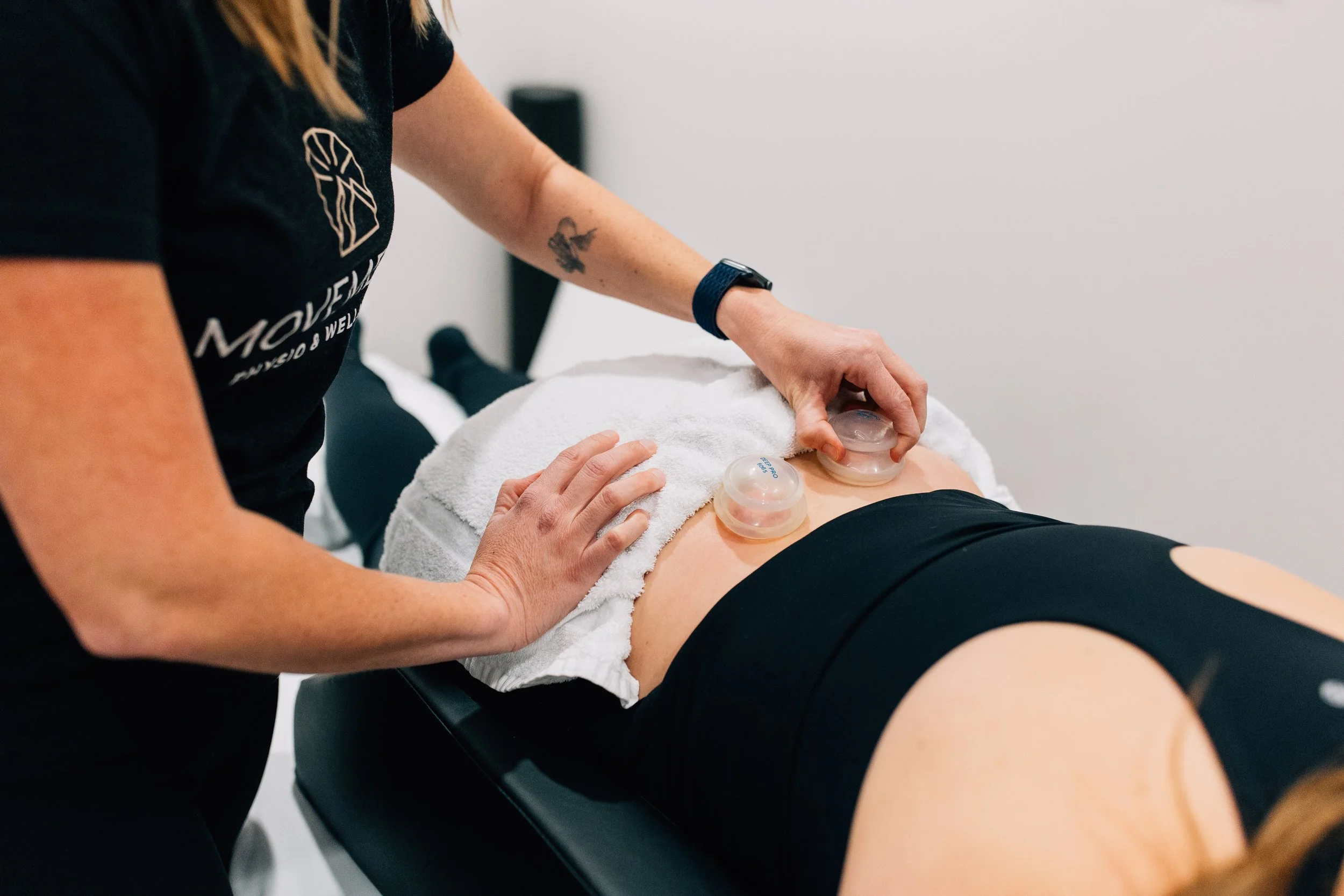
A cancer diagnosis and the treatments that follow can affect the body in many ways. Some expected, some surprising. For individuals who undergo treatment involving the abdomen or pelvis, healing doesn’t stop when medical treatment ends. Recovery often includes rebuilding strength, mobility, and comfort in areas that aren’t always talked about. That’s where pelvic floor physical therapy can play an important role.
Cancer Treatment Can Impact the Pelvic Floor
Surgeries, radiation, chemotherapy, and prolonged inactivity can all influence how the muscles and tissues of the pelvic region function. People may experience:
Pelvic pain or pressure
Scar tissue tightness or pulling sensations
Bladder or bowel changes
Pain with intimacy
Core weakness or a feeling of instability
Fatigue and reduced endurance
These symptoms are common — but they are not something you simply have to live with.
Supporting Scar Healing and Tissue Mobility
Surgical procedures and radiation can lead to scar tissue and tissue restrictions that limit movement and cause discomfort. Pelvic floor physical therapy uses gentle, specialized techniques to help improve scar mobility and tissue flexibility. This can reduce pulling, improve circulation to the area, and support more comfortable movement in daily life.
Restoring Pelvic Floor Muscle Function
The pelvic floor muscles play a key role in bladder and bowel control, core stability, posture, and sexual health. After cancer treatment, these muscles may become weak, tight, uncoordinated — or a combination of all three. Therapy focuses on restoring balance through:
Targeted strengthening or relaxation techniques
Breath and core coordination
Postural support
Gradual return to functional activities
Improving pelvic floor function can help reduce leakage, ease constipation, decrease pain, and improve overall confidence in your body.
Addressing Pain and Sensitivity
Pain after cancer treatment can come from muscle tension, nerve irritation, scar tissue, or protective guarding patterns the body develops during recovery. Pelvic floor physical therapists are trained to gently address these contributors, helping calm the nervous system and reduce pain over time. Treatment is always adapted to your comfort level and stage of healing.