
Endometriosis & Pelvic Floor Physical Therapy: Support for Flare-Ups and Long-Term Maintenance
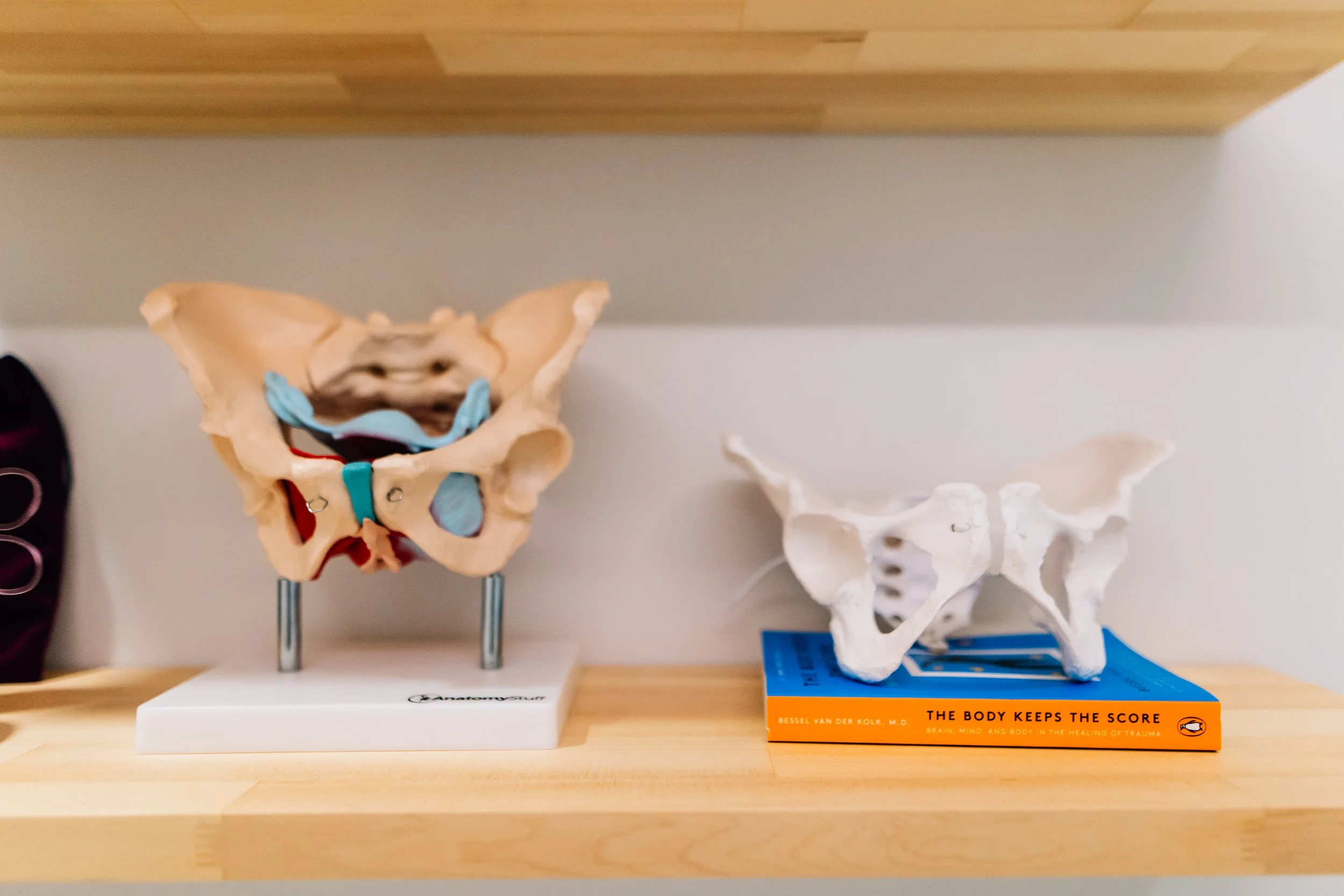
Living with Endometriosis can feel unpredictable. One week you may feel manageable discomfort but the next, you’re navigating pelvic pain, back pain, painful periods, pain with intercourse, urinary urgency, bloating, or deep hip tension. What many people don’t realize is that endometriosis doesn’t just affect reproductive organs, it often significantly impacts the pelvic floor muscles and surrounding tissues.
Why the Pelvic Floor Is Involved
With ongoing inflammation and pain, the body naturally develops a protective response. The pelvic floor muscles may tighten or “guard” in an attempt to protect the area. Over time, this can lead to:
Persistent muscle tension
Decreased blood flow
Pain with penetration or exams
Urinary or bowel changes
Tailbone, hip, or low back pain
Even if endometrial lesions are treated medically or surgically, the muscular and nervous system patterns can remain. That’s where pelvic floor physical therapy becomes an essential part of care.
How Pelvic Floor PT Helps During Flare-Ups
During higher-pain days, treatment focuses on calming the nervous system and reducing muscle overactivity.
Sessions may include:
Gentle manual therapy to reduce pelvic floor tension
Breathing and downtraining techniques
External abdominal and hip mobility work
Nervous system regulation strategies
Positioning and movement modifications
The goal during a flare isn’t to “push” the body, it’s to create safety, improve circulation, and decrease sensitivity.
Why Maintenance Therapy Matters
Endometriosis is often a chronic condition. Maintenance pelvic floor PT can help:
Prevent recurring muscle guarding
Improve pelvic floor coordination
Maintain mobility in hips, abdomen, and spine
Reduce the intensity and duration of flares
Improve tolerance for exercise and daily activity
Ongoing care helps prevent bigger issues down the road. When the pelvic floor is regularly assessed and treated, it’s less likely to stay stuck in protective tension patterns.
You Don’t Have to Wait for a Flare!
Whether you’re currently in pain or simply want to better manage your condition long term, we can be a proactive part of your care team.