
Prolapse & Pessary Fitting

What is Prolapse?
Pelvic organ prolapse (POP for short) is one of those conditions that many women experience but few talk about — and even fewer know has effective treatment options. You are not alone, and more importantly, you don't have to just live with it.
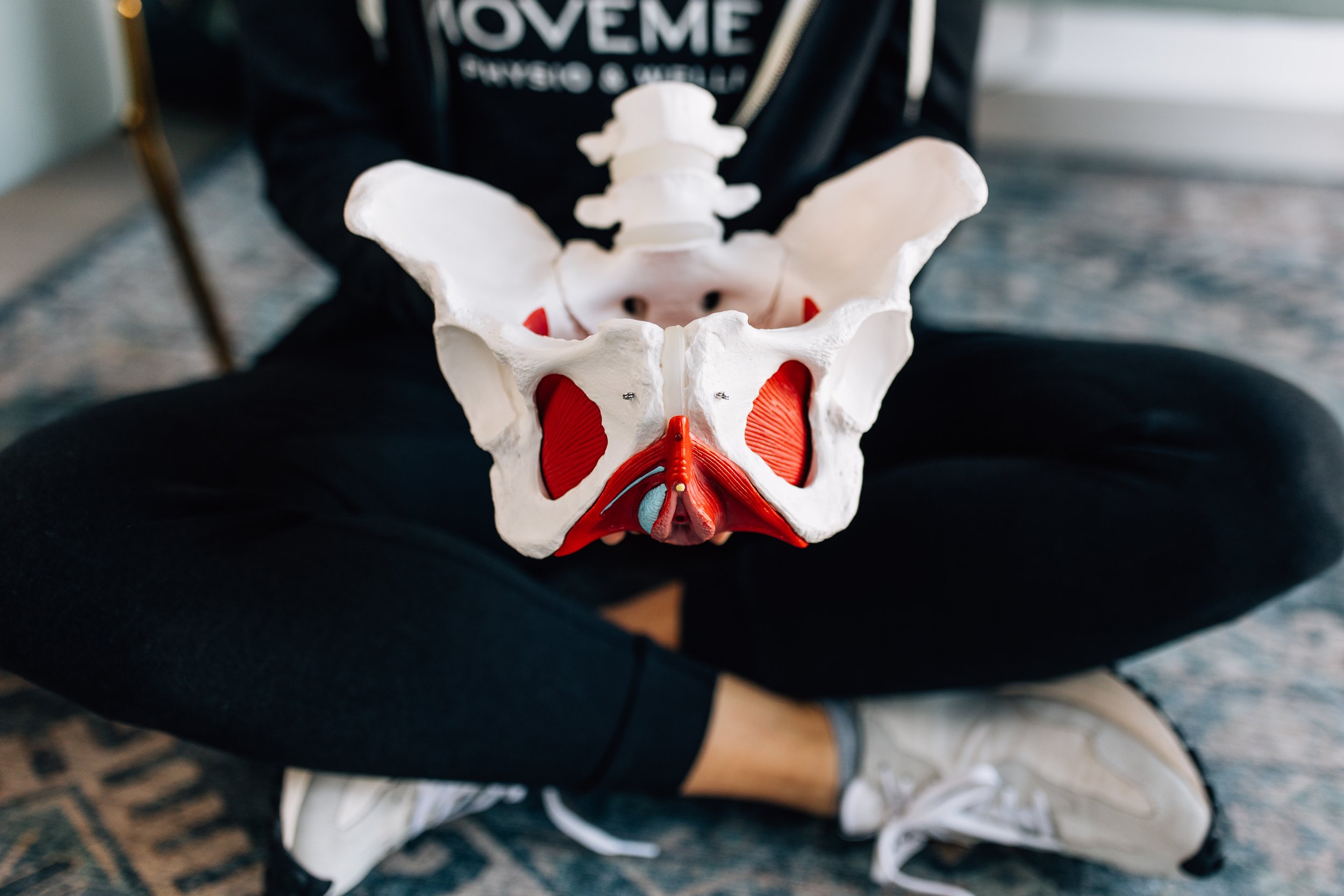
Pelvic organ prolapse occurs when the muscles and connective tissues that support your pelvic organs — including the bladder, uterus, and rectum — become weakened or stretched, causing one or more of these organs to drop down and press into or out of the vaginal canal. While prolapse is incredibly common, (almost 1 in 2 women after a vaginal birth), it is not something you simply have to accept as a normal part of life.
Common Signs and Symptoms of Prolapse
Prolapse can feel different for every woman, and symptoms can range from mild to more noticeable. Some common signs include:
A feeling of heaviness, pressure, or fullness in the pelvis or vagina
A sensation that something is falling out or bulging from the vaginal opening
Low back ache or pelvic discomfort that worsens after standing for long periods
Difficulty fully emptying your bladder or bowels
Urinary leakage or a frequent urge to urinate
Discomfort or pain during intercourse
A feeling of relief when you lie down
If any of these symptoms sound familiar, a pelvic floor evaluation can help determine the type and severity of your prolapse and get you started on the right path.
How We Treat Prolapse
The good news is that pelvic floor therapy is highly effective for managing and improving prolapse. Treatment is never one-size-fits-all, and we create a personalized plan based on your specific anatomy, symptoms, and goals. Treatment may include:
Pelvic floor strengthening to better support your pelvic organs
Manual therapy and muscle release to address any areas of tightness contributing to symptoms
Movement and posture education to reduce pressure on the pelvic floor throughout your day
Breathing and core coordination to manage intra-abdominal pressure during daily activities
Pessary fitting for additional support (more on that below!)
What is a Pessary?
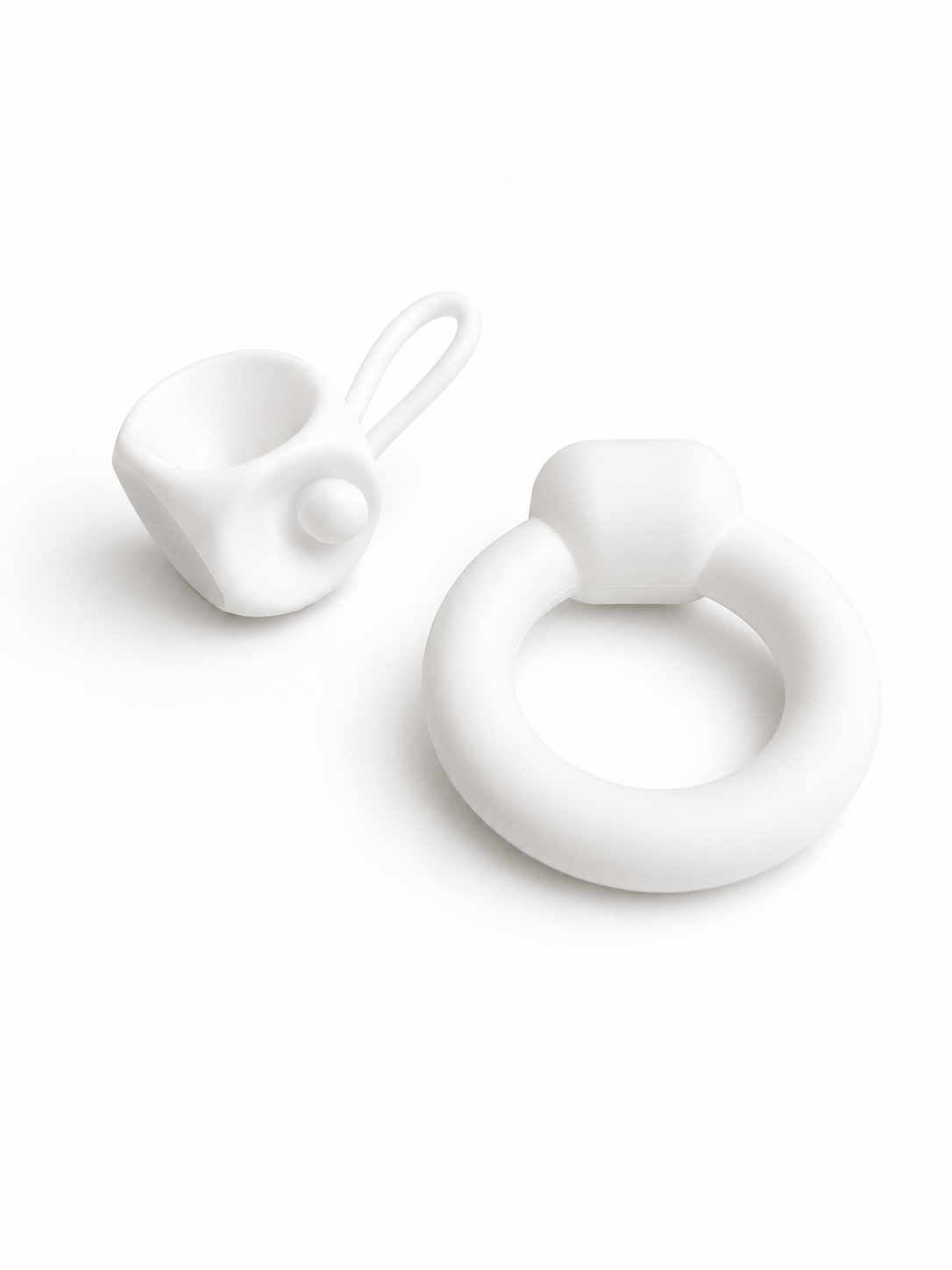
A pessary is a small, removable medical device inserted into the vagina to provide structural support to the pelvic organs. Think of it like an internal support system — it sits inside the vaginal canal and helps hold everything in place, reducing the bulge and discomfort that comes with prolapse. Pessaries come in many shapes and sizes, and finding the right fit is key to making sure it's comfortable and effective for you.
Pessaries are a great non-surgical option for women who want relief from prolapse symptoms while they work on strengthening their pelvic floor, or for those who are not candidates for or not interested in surgical intervention.
What does a Pessary Fitting look like?
We know the idea of a pessary fitting might feel intimidating, but we promise it's a straightforward and comfortable process. Here's what to expect:
During your fitting appointment, we will start with a thorough evaluation of your pelvic floor and a discussion of your symptoms and lifestyle. From there, we will select a few pessary sizes and styles that are likely to work well for your anatomy. Each pessary is gently inserted and you'll be asked to move around, cough, and bear down so we can assess the fit and make sure it feels comfortable and stays in place. Once we find the right fit, we will teach you how to insert and remove it on your own at home, and answer any questions you have about care and maintenance.
Follow-up appointments are a normal part of the process to make sure everything continues to feel great and to adjust the fit if needed.
You Deserve to Feel Like Yourself Again
Prolapse can affect your confidence, your activity level, and your quality of life — but it doesn't have to. Whether you're newly diagnosed, have been managing symptoms for years, or are just starting to notice something feels off, we are here to help. Reach out today to schedule your evaluation and take the first step toward feeling better.


We have a proven Movement Physio and Wellness 3-Step Method to help get rid of your pelvic floor or hip issue for good. The 3-Step Method works in three phases: Elongate, Elevate, and Empower.
ELONGATE.
We need to calm down the nervous system in order to reduce your pain and length tissues that are tight. We do this by incorporating breathwork and hands-on manual therapy techniques to get your muscles to relax. (Visits 1-4)
ELEVATE.
Once the tissues are calmed down and your pain is reduced, we will work on the brain to muscle connection and re-educate the muscles to fire the correct way. (Visits 5-8)
EMPOWER.
We work on functional strengthening of the muscles to help keep you strong and prevent this problem from returning again. We make sure you have all the “tools” in your “toolbox” so you feel empowered to take care of your body so you never experience this problem again! (Visits 9-12)
What Our Patients Have To Say…
“I love working with this office, the staff is always friendly and efficient. Alexis is great to work with and her knowledge of pelvic floor issues is extensive and enlightening. She explains the exercises throughly and adjust as needed. I highly recommend!”
— Bonnie“I have found that the care, the understanding, and the professionalism of the Movement Physio and Wellness clinic has been exemplary. I'm a fairly new patient, but I do trust them with my ongoing health needs and I look forward to future appointments with Dr. Brianna Brewer.”
— Heidi“After three kids and generally feeling like a “number” at my OBGYN, I finally feel like someone really cares about me, my recovery, and my well-being now that I am at Movement Physio and Wellness. I appreciate the holistic approach to pelvic floor therapy. I’m in capable hands with Alexis. It’s been a great experience.”
— SilvanaFrequently Asked Questions
-
Pelvic floor physical therapy is a speciality physical therapy that is perfect for people who are struggling with conditions related to the pelvis or pelvic floor. Some of these common issues have to do with bladder leakage, bowel issues, or sexual dysfunction related to the muscles of the pelvic floor. We work on eliminating pain, stopping these embarrassing symptoms, and getting you back to activities and goals specific to you.
-
At Movement Physio and Wellness, we help adults struggling with bladder, bowel, and sexual dysfunction. We most typically see women during pregnancy, postpartum, or menopause. We also treat men struggling with pelvic floor problems like pelvic pain, urinary urgency, and constipation. We do not treat pediatrics but will see teenagers on a case by case basis.
-
The people that come to see us for pelvic floor therapy are often dealing with an issue related to the muscles of the pelvic floor. Most often, people struggle with bladder leakage, pelvic pain, bowel issues, and pregnancy/postpartum recovery. You can take this short 10 question quiz HERE to see if you’d be a good candidate to come in for therapy!
-
Prior to your first visit, please fill out your intake form that is emailed to you via our Jane booking system. At your first visit, you can expect to be evaluated and treated in a private room by one of our female pelvic health therapists. We look at how the body moves, especially your hips, back, core, and anything that has to do with your specific pelvic condition. With your consent, the therapists may ask to perform an internal exam to check if the pelvic floor muscles are tight, weak, or painful. Then, we come up with an expert treatment plan in order to meet your specific goals.
-
We are an out-of-network provider, which allows us to provide the highest level of one-on-one care without insurance restrictions. This means longer treatment sessions, a personalized plan designed just for you, and faster results. Many of our patients use HSA/FSA funds or submit for reimbursement through their insurance. We'd be happy to guide you through that process.
-
As pelvic floor therapists, we believe that an important part of our exam process is a pelvic floor muscle exam done via the vaginal canal or rectum. This is one way we can truly feel if the muscles are tight, weak, or painful. Deciding to perform the internal exam is a decision made by YOU and your therapist! Obviously, if you are not ready to have this exam done yet, no worries! Your therapist will explain all the options to you. We always ask for ongoing, informed consent to evaluate your body!
-
In many cases, we are a patient’s second or third pelvic floor therapist they have seen. When someone hasn’t had luck with pelvic therapy in the past, first we want to understand their experience and how they responded to treatment. We also want to understand how invested they were in their own care. We use this information and take a different approach to make sure you are given a new and improved plan to tackle these annoying bladder and bowel issues. We love collaborating with past therapists and other medical providers to make sure YOU are at the center of your care.
-
It depends! We treat women alllllll the time with prolapse and find relief from their symptoms with pelvic floor physical therapy and can avoid surgery! But every patient and prolapse presents differently! Even if a provider has told you that surgery is in your future, I highly recommend going in for pelvic floor therapy treatment to try a conservative approach first! Even if you do end up requiring surgery, you will be stronger and more knowledgable how to support your body and heal after a prolapse repair.
-
There can be a genetic factor to developing a prolapse if your mother and grandmother had experienced it. You are also at higher risk if you find your joints are hypermobile. Women who undergo vaginal births are more likely to develop them than c-section births. The more you understand these risk factors, the more we can help you prepare and avoid a prolapse! I highly recommend pregnant women who are hypermobile or have a family history of prolapse to come into the clinic in pregnancy to learn how to properly control their pelvic floor and demonstrate good pressure management in their bodies to reduce risk of getting a prolapse in postpartum.
-
Pelvic Floor Physical Therapy can help you manage and relieve the symptoms of prolapse by releasing pelvic floor tension pushing on the prolapse, teaching you pressure management strategies so you can reduce pressure on the prolapse, learn exercises for gluts, pelvic floor, and core that help you support the prolapse, and support your return to activities and exercise.
-
The decision to use a pessary is made by you and your pelvic floor therapist together. We have an evaluation process to make sure a pessary would be helpful to you. There are different types of prolapses and we recommend different pessaries based on how you present. You also have to be willing to insert and remove the pessary on your own for proper cleaning and maintenance.